Compared with traditional mechanical yarn feeders, what are the significant advantages of SHJ-PJ Weft Feeder?
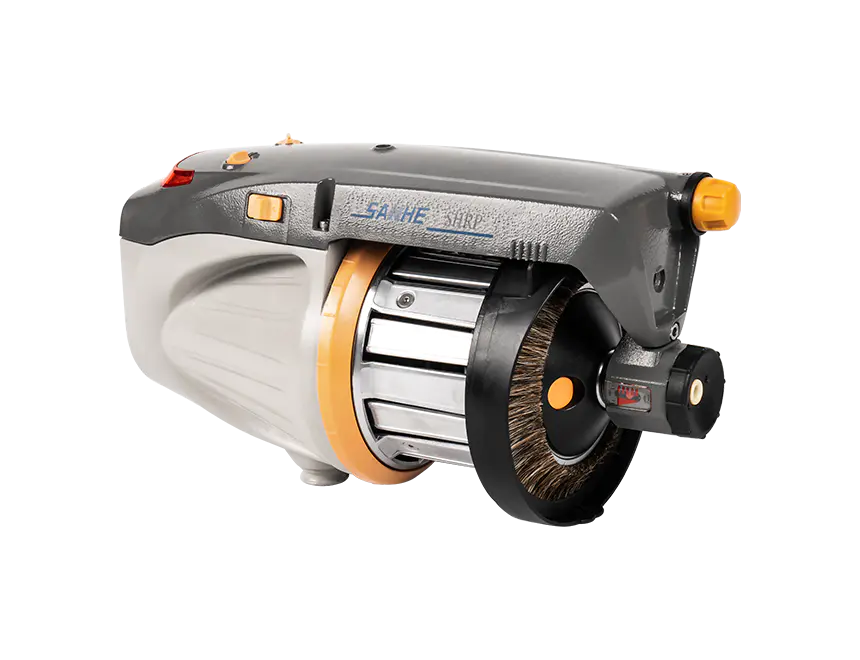
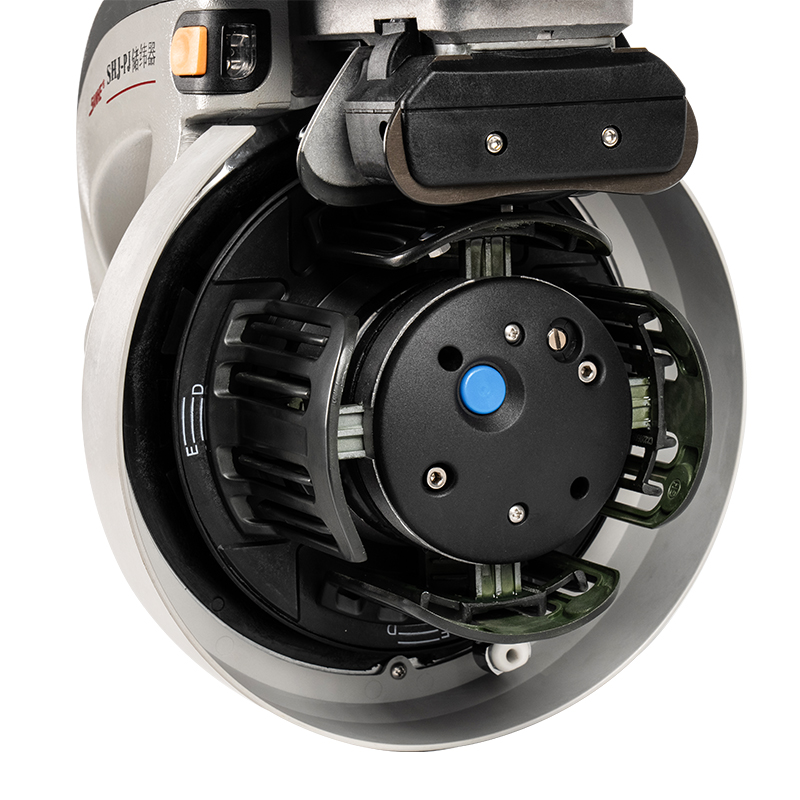
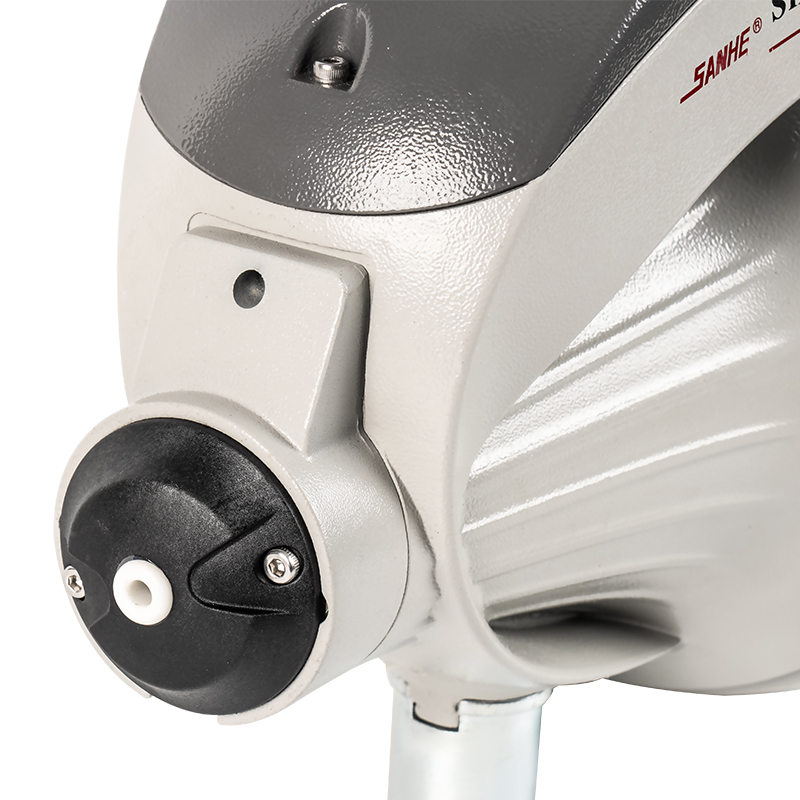
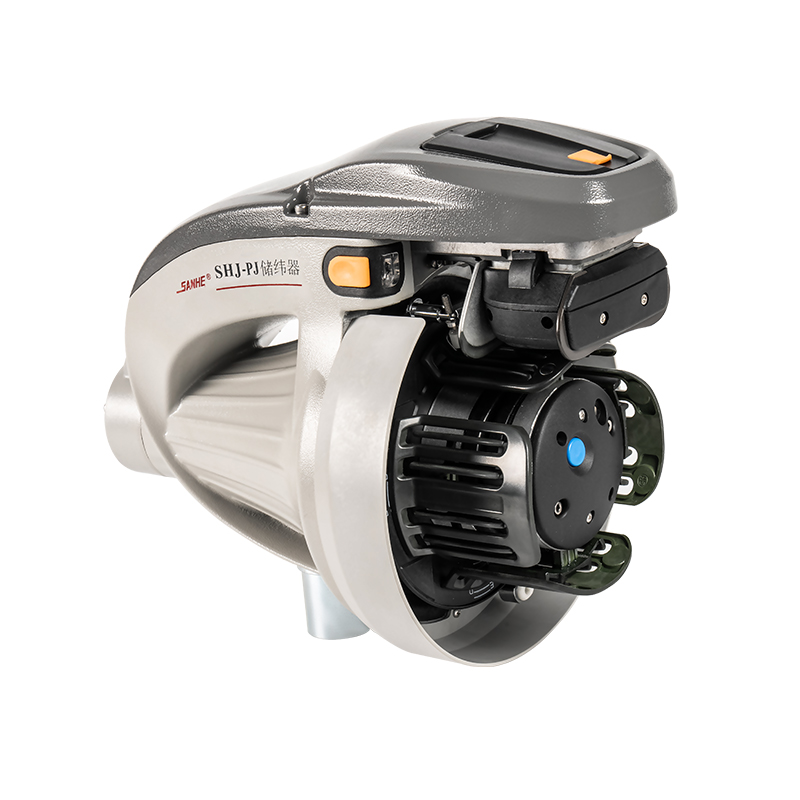
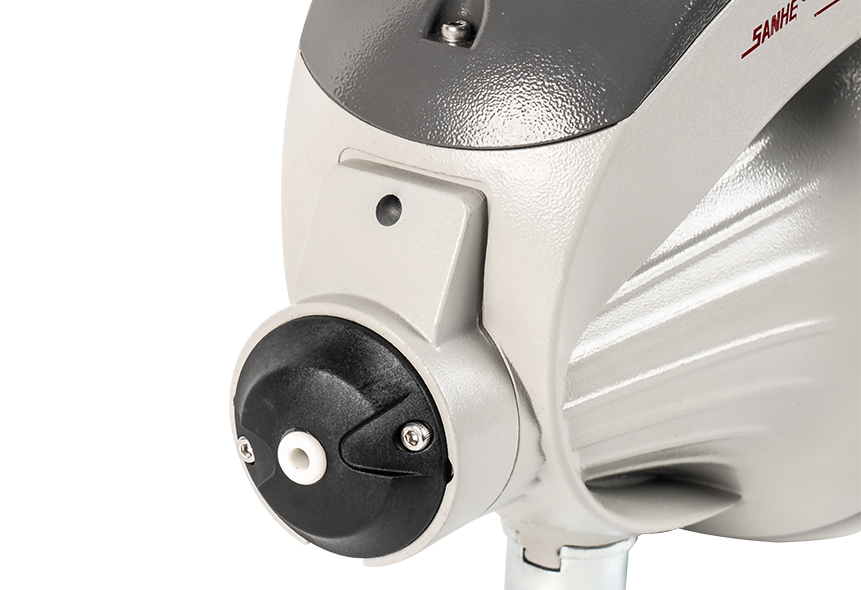
In the continuous evolution of the textile industry, yarn feeders are one of the key equipment, and their performance directly affects weaving efficiency and product quality. As a representative of modern textile technology, SHJ-PJ Weft Feeder has shown many significant advantages over traditional mechanical yarn feeders.
1. Ultra-precise synchronous control
The biggest highlight of SHJ-PJ Weft Feeder is its ultra-precise synchronous control technology. This technology relies on high-precision sensors and intelligent controllers to monitor the movement state and tension changes of yarns in real time, and adjust the yarn feeding speed and position accordingly to ensure that the yarn always maintains the best state during the weaving process. This precise control not only reduces the problems of yarn breakage and uneven tension, but also greatly improves the stability and efficiency of weaving. In contrast, traditional mechanical yarn feeders often rely on mechanical transmission devices and it is difficult to achieve such high synchronization accuracy.
2. Improve weaving efficiency
Since SHJ-PJ Weft Feeder can achieve ultra-precise synchronous control, the running speed and stability of the loom have been significantly improved. This means that more fabrics can be produced in the same amount of time, thereby improving production efficiency. It is estimated that looms using SHJ-PJ Weft Feeder can increase production efficiency by about 10% to 20% compared to traditional equipment. This is undoubtedly a huge advantage for textile companies pursuing high output.
3. Reduce energy consumption and costs
Ultra-precise synchronous control also helps to reduce energy consumption and costs. The overall energy consumption of the loom is effectively controlled by reducing downtime adjustments and waste caused by uneven yarn tension. In addition, the intelligent design of SHJ-PJ Weft Feeder makes maintenance and maintenance easier and more efficient, reducing maintenance costs and downtime. These advantages work together in the production and operation of the enterprise, helping to improve the overall economic benefits.
4. High degree of intelligence and automation
SHJ-PJ Weft Feeder incorporates advanced intelligent and automated technologies. Its operation interface is simple and clear, making it easy for operators to quickly get started. At the same time, the system also has fault diagnosis and remote upgrade functions. Once a fault occurs or the software needs to be updated, technicians can quickly solve the problem remotely. This intelligent and automated feature not only improves work efficiency, but also reduces the degree of dependence on manual labor.
5. Wide range of applications
SHJ-PJ Weft Feeder is suitable for various types of looms and different types of yarns. Whether it is a high-speed air jet loom or a water jet loom, SHJ-PJ Weft Feeder can provide stable and reliable yarn feeding performance. In addition, its strong adaptability and flexibility also allow enterprises to flexibly adjust production plans according to market demand to meet diverse customer needs.
Compared with traditional mechanical yarn feeders, SHJ-PJ Weft Feeder has significant advantages in synchronization control accuracy, weaving efficiency, energy consumption and cost, intelligence and automation, and scope of application.



 英语
英语 中文简体
中文简体 意大利语
意大利语 法语
法语 俄语
俄语 越南语
越南语 西班牙语
西班牙语 阿拉伯语
阿拉伯语 德语
德语 印地语
印地语 波斯语
波斯语 印尼语
印尼语 土耳其语
土耳其语 葡萄牙语
葡萄牙语 阿姆哈拉语
阿姆哈拉语 波兰语
波兰语 保加利亚语
保加利亚语 菲律宾语
菲律宾语 哈萨克语
哈萨克语 乌兹别克语
乌兹别克语 孟加拉语
孟加拉语 南非祖鲁语
南非祖鲁语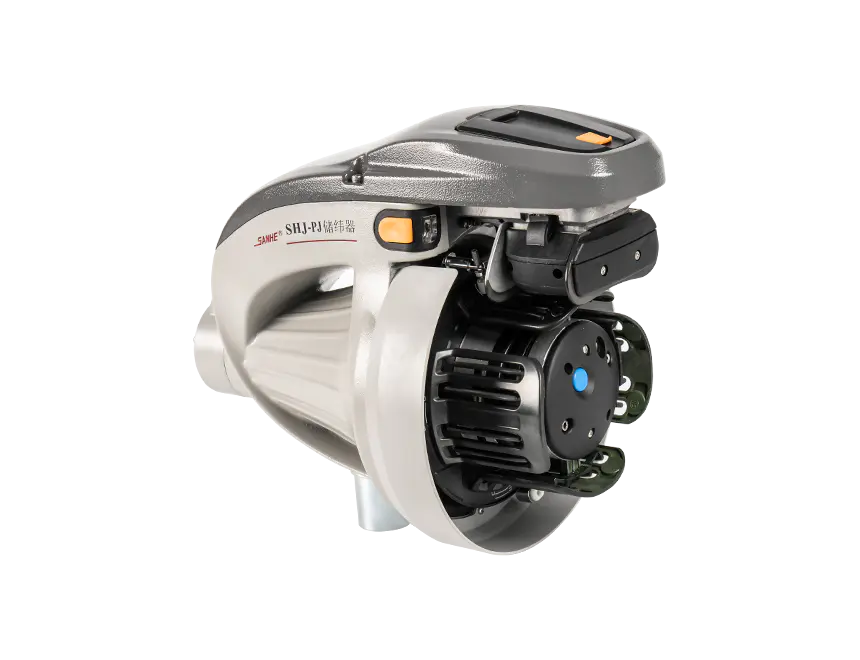

cmgaact008(1).jpg)
cmgaact008.jpg)
cmgaact0081.jpg)